CyclosporiasisFood SafetyCDC GuidelinesOutbreak Prevention
From Kitchen Hygiene to FDA Recalls: A Multi-Layer Defense Against Cyclospora
As Cyclospora cases spread across the country, effective protection extends beyond basic washing. This approach combines temperature control, verified products, proactive monitoring, and knowing when to seek care.
Source material: rollingstone.com
Cook Your Vegetables to at Least 158°F
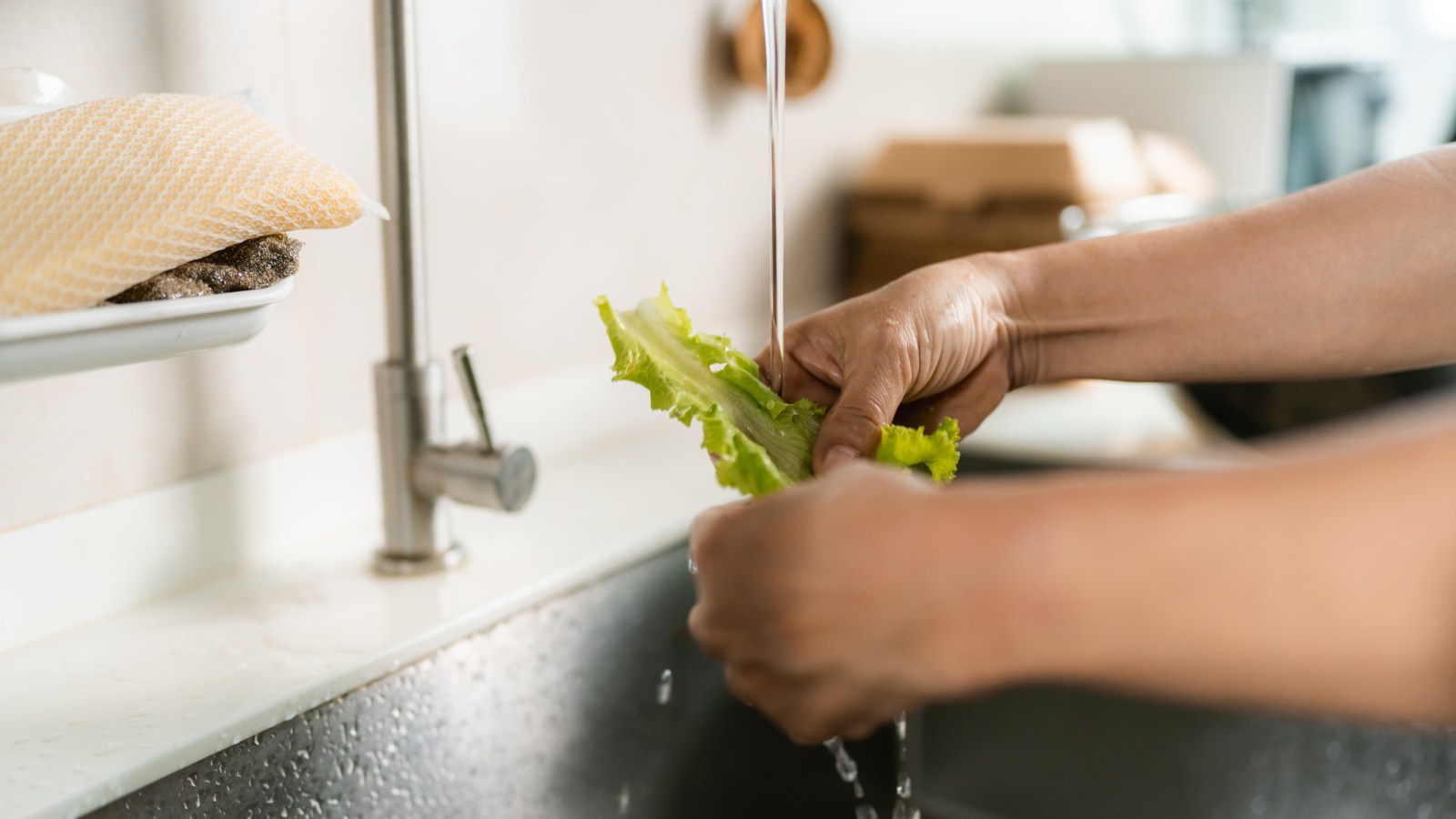
The CDC asserts that heating produce to a minimum of 158°F kills the Cyclospora parasite, making cooking the most reliable prevention method where washing alone falls short. For instance, the recent FDA recall of iceberg lettuce from Taylor Farms, a Taco Bell supplier, highlighted risks with raw consumption; thorough cooking would have eliminated the threat. Use a food thermometer to verify temperature, especially for firm items like melons or root vegetables where parasites can hide in crevices. Steaming berries or leafy greens briefly can reach this threshold without overcooking, reducing the risk that has led to severe diarrhea and flu-like symptoms across the outbreak. Cooking is particularly effective because the parasite cannot survive at this temperature, and it addresses the transmission route via fecal contamination. With over 30 states affected and thousands reporting symptoms, ensuring proper cooking temperatures can prevent illness and complications like those that caused two deaths in Michigan. To implement this, cook vegetables until they are steaming hot throughout, and for items like melons, even if you plan to discard the skin, scrub and cook them to eliminate surface parasites.
Wash Hands with Soap and Water
Washing hands with soap and water both before and after handling raw fruits and vegetables is essential to prevent the spread of cyclosporiasis. The CDC emphasizes this step because the Cyclospora parasite can be transferred from contaminated produce to hands and vice versa. Antibacterial soap, such as Dial's foaming formula, eliminates up to 99.99% of bacteria, reducing the risk of ingestion. Using a fragrance-free soap ensures no flavor transfer to your produce, maintaining taste quality. In practice, wash hands for at least 20 seconds, scrubbing thoroughly, and dry with a clean towel or paper towel. This is critical given the outbreak's severity, with symptoms like bloating and cramping affecting thousands across more than 30 states. By consistently washing hands, you break the chain of transmission that has led to severe diarrhea and even deaths, as reported in Michigan. Additionally, washing hands after handling produce prevents recontamination of other surfaces or foods.
Scrub Firm Produce with a Clean Brush
Scrubbing firm fruits and vegetables with a clean produce brush is recommended by the CDC to remove parasites that adhere to surfaces, even if you plan to discard the skin. For example, melons like cantaloupe have rough exteriors where Cyclospora can hide, and scrubbing with a brush ensures thorough cleaning. The OXO Good Grips Vegetable Brush, with its grippy handle and nylon bristles, has seen over 10,000 units sold recently, indicating its effectiveness for items like cucumbers, lychees, carrots, and potatoes. Hold the produce under running water and scrub firmly for about 30 seconds, then rinse and dry with a clean towel. Additionally, cut off any damaged or bruised areas before eating, as these spots can harbor parasites. This step is vital given the outbreak, with thousands of cases reported in many states and symptoms including severe diarrhea and cramping. By scrubbing firm produce, you reduce the risk of contamination that has led to recalls and illnesses, complementing other washing methods.
Use a Fruit and Vegetable Wash
For thorough cleaning, a plant-based, certified-organic fruit and vegetable wash like Rebel Green's formula can be applied by spraying directly onto produce, rubbing for 20 to 30 seconds, and rinsing under cold water. This method goes beyond water alone by dissolving dirt, wax, and oily residues that might harbor the Cyclospora parasite. For delicate items like berries or grapes, dilute two ounces of wash in water at a 1:10 ratio, soak gently for 30 seconds, then drain and rinse. The wash is made in the USA with no parabens, preservatives, or additives, ensuring no aftertaste. Searches for 'produce cleaners' have surged recently, with over 3,000 units of this product purchased in the last few weeks, reflecting heightened awareness due to the outbreak. Incorporate this into your routine after purchasing produce to minimize contamination risks that have affected thousands in a widespread outbreak. This wash removes waxy coatings and surface residues, and it helps prevent illness symptoms like bloating and diarrhea.
Refrigerate Cut Produce Within Two Hours in BPA-Free Containers
Storing prepared fruits and vegetables in BPA-free containers with four locking mechanisms and included colanders prevents bacterial growth, as the CDC advises refrigeration within two hours of cutting or peeling. After slicing a melon, immediate transfer to a sealed container in the fridge inhibits Cyclospora multiplication, which thrives at room temperature. This practice is vital given the outbreak's link to improper storage, with symptoms like prolonged diarrhea affecting thousands in many states. The colanders included in such sets help drain water away from food, reducing moisture that can promote parasite survival. To implement this, cut produce only when ready to serve, and promptly store leftovers in airtight containers. With over 30 states affected and two deaths reported in Michigan, refrigerating cut produce is a key preventive action recommended by the CDC.
Clean Produce with Wipes on the Go
When water isn't available, produce wipes like CLEANER Fruit + Veggie Wipes can clean fruits and vegetables by removing dirt, wax, and surface residue. These wipes come in seven individual packs, each containing 20 wipes, making them easy to carry for on-the-go use. Almost 90% of reviewers give them a five-star rating for effectiveness in eliminating contaminants. The mechanism involves a pre-moistened formula that you rub over the produce surface, which dissolves residues without rinsing. This is particularly useful for eating fruits while traveling, at picnics, or in settings where sinks are inaccessible. Given the Cyclospora outbreak, with cases in over 30 states and symptoms like severe diarrhea, having a portable cleaning option adds a layer of defense. To use, simply wipe each fruit or vegetable thoroughly before consumption, ensuring you cover all surfaces. This method complements home washing practices but addresses situations where traditional cleaning isn't feasible.
Monitor FDA Recalls Like the Taylor Farms Lettuce Alert
The FDA's recent recall of iceberg lettuce from Taylor Farms, a supplier to Taco Bell, was issued after identifying it as a potential source in the Cyclospora outbreak. Monitoring such recalls is a critical preventive step because contaminated produce can reach consumers quickly through distribution networks. Michigan's health department linked two deaths to the outbreak, highlighting the serious consequences of exposure. Subscribe to FDA food recall notifications or regularly check their website to stay updated. The CDC's outbreak map shows cases in over 30 states, so tracking local risks is advisable. When a recall is announced, immediately discard any affected items and clean storage areas to prevent cross-contamination. This proactive approach addresses the transmission route via fecal contamination in food, as seen with the Taylor Farms lettuce. With thousands reporting symptoms like bloating and cramping, vigilance in monitoring recalls can prevent illness and reduce the spread of cyclosporiasis across the country.
Replenish Electrolytes if Symptoms Occur
If cyclosporiasis symptoms occur, starting with anti-diarrheal medicine and electrolyte replenishment can help manage water loss, as advised by the CDC. The Cyclospora parasite causes severe diarrhea, bloating, and cramping, leading to dehydration that electrolytes counteract. Drinks like IV+ Europe Electrolyte Mix provide sodium, potassium, and magnesium to support hydration, with added glycine and prebiotic fiber for digestion and immunity. This mix comes in convenient stick packs, sold in 10-pack deals, making it easy to use on the go. Dissolve a stick in water and drink regularly when symptoms arise, as most people with healthy immune systems recover without antibiotics, but symptoms can be prolonged if untreated. With the outbreak affecting thousands in numerous states and causing two deaths in Michigan, having electrolyte solutions ready is a practical response to illness. This approach addresses the dehydration risk that exacerbates symptoms and supports recovery.