The X-FilesDeep Throatscience fiction televisionclassic TV
How The X-Files Made Deep Throat Its Most Compelling Mystery
Introduced in the second episode, Deep Throat gave The X-Files’ first season a human face for its expanding government conspiracy.
Five Star Buzz
A mysterious man in the corner
The X-Files introduced one of its most memorable figures almost by accident. In the pilot, William B. Davis appeared as a silent man standing in an FBI office, smoking a cigarette while Dana Scully was assigned to Fox Mulder’s paranormal investigations. Davis was hired for a non-speaking role, but his steely presence led the writers to bring the character back. He eventually became the Cigarette Smoking Man, one of the series’ most important long-running characters.
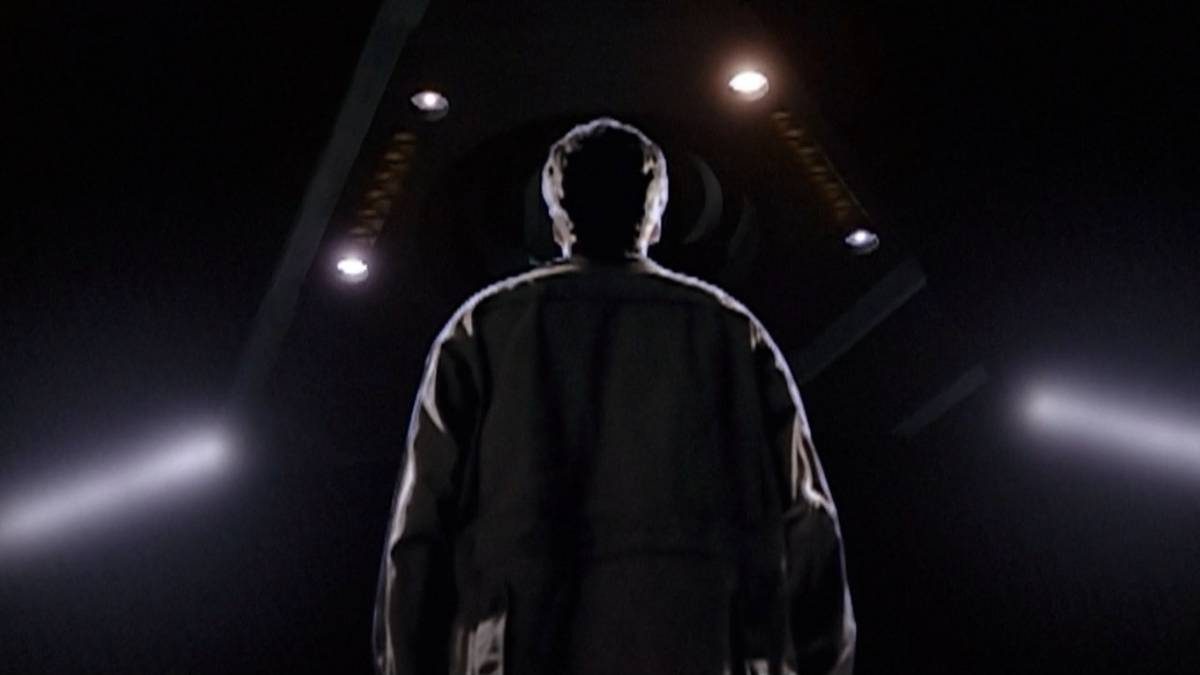
The second episode introduced a different kind of mystery. In “Deep Throat,” Mulder investigates the disappearance of an Air Force pilot in Utah and encounters a mysterious man who warns him away from the case. Played by Jerry Hardin, the man offers information while making clear that his loyalties are complicated.
The truth, on his terms
Deep Throat’s first major appearance established the uneasy relationship that would define him. After Mulder ignores the warning and discovers that Air Force pilots are testing aircraft based on alien technology, he is captured and has his memory erased. Deep Throat later approaches him in a Washington, D.C., park and offers to help, but only when doing so serves his own interests.
When Mulder asks what that interest is, Deep Throat answers, “The truth.” Their final exchange is even more revealing. Mulder asks whether the aliens are already on Earth. Deep Throat turns back and replies, “Mr. Mulder, they’ve been here for a long, long time.” The line transforms him from a shadowy informant into a doorway to the show’s larger mythology.
A government informant with a real-world name
The character’s name evokes the informant who helped reporters Bob Woodward and Carl Bernstein investigate the Watergate scandal. That real-world association gave The X-Files’ conspiracy a political texture, suggesting that its secrets reached deep into the government.
Hardin’s performance was informed by earlier screen portrayals by Hal Holbrook in All the President’s Men and Donald Sutherland in JFK. He played Deep Throat with a mixture of guilt, world-weariness, uncertainty and wisdom. The character sometimes seemed to be working against Mulder, yet his warnings and information made him difficult to dismiss.
A short life with a lasting effect
Deep Throat appeared throughout the first season, providing warnings, leads and fragments of information about the government’s dealings with extraterrestrial life. In “E.B.E.,” he explains that governments agreed after the 1947 Roswell crash to eliminate living aliens on Earth, and that he was one of only three people forced to carry out those killings.
By the end of the season, Deep Throat has disclosed too much. Other members of the government conspiracy kill him, ending a role that lasted only one season but gave the early series much of its suspense. Later seasons introduced replacement informants who served similar functions, but none carried the same combination of mystery and moral conflict.
Why Deep Throat still matters
Deep Throat remains beloved because his mystery was concentrated rather than endlessly extended. Later X-Files mythology often accumulated questions without resolving them, making the conspiracy harder to follow. In season 1, however, the central mystery still felt focused and promising.
Deep Throat embodied that promise. He knew more than Mulder, revealed less than viewers wanted and seemed trapped between complicity and conscience. His early death made the character feel unfinished, but it also preserved the tension that made him so effective. Before The X-Files’ mythology became sprawling, Deep Throat gave its secrets a face.