Spider-ManMCUTom HollandSuperhero Films
Spider-Man: Brand New Day's Deliberately Small Stakes Are Its Superpower
The fourth Tom Holland Spider-Man movie trades multiverse chaos for personal problems, and it's the best thing the MCU has done since Endgame.
Source material: ign.com
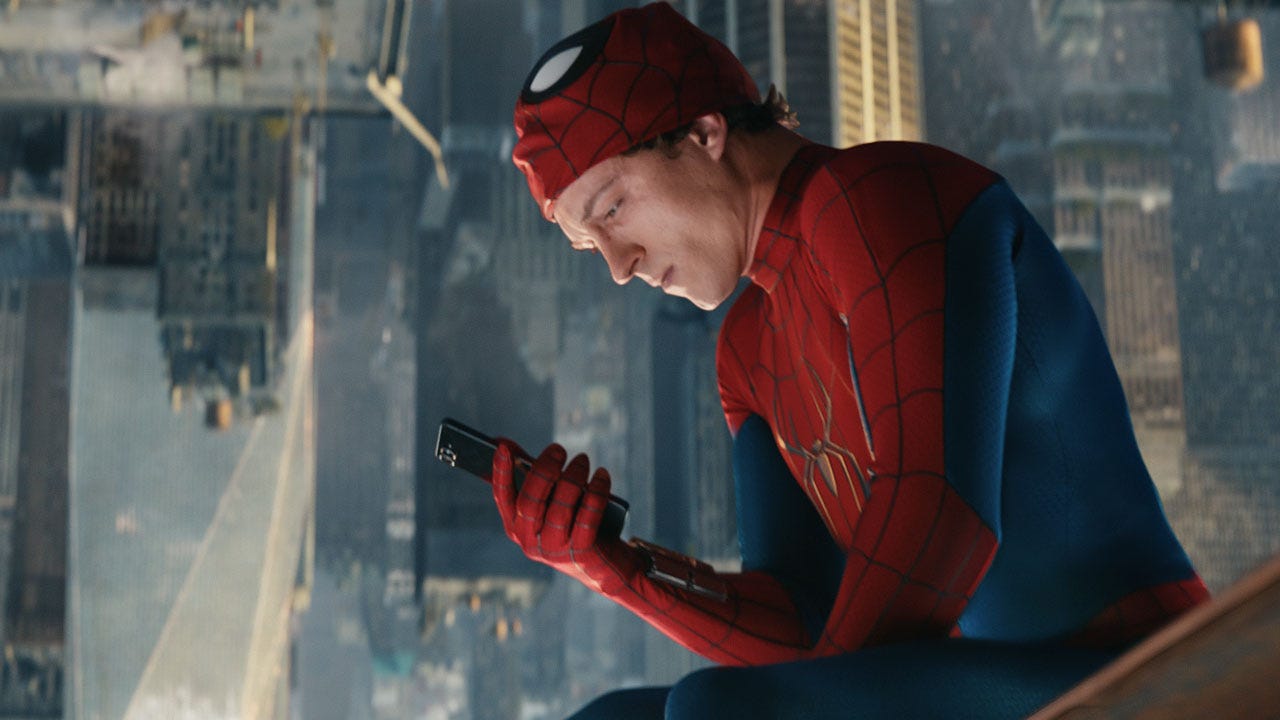
Post-Endgame Fatigue Meets Its Match
The fourth solo Spider-Man film, Brand New Day, hit theaters this past weekend in the middle of the MCU's longest post-Endgame slump. Superhero fatigue is real, and even a devoted fan who loved the previous three entries stepped in expecting to be bored. Instead, the credits ended in disbelief at how thoroughly the movie worked. Consistency across four films is almost unheard of—Robert Downey Jr.'s Iron Man went from a dazzling debut to a lackluster third solo film—but Spider-Man has never missed. The series' secret isn't its scale, but its focus on a single, ordinary problem: Peter Parker's life. That focus is why the film, despite being the fourth in a franchise, feels as fresh as Homecoming.
A Hero Who Cares About Homework
Peter Parker's struggles in the MCU have always been micro, not macro. Homecoming hinged on the conflict between his academic decathlon trip to Washington, D.C. and his patrol duties. Far From Home moved the class to Europe, but the real tension was MJ and Ned, not a world-ending catastrophe. No Way Home brought Tobey Maguire and Andrew Garfield into the multiverse, yet its climax was Peter choosing to erase himself from everyone's memory to protect his friends and aunt. Brand New Day goes even smaller: the Hulk and Yelena Belova show up, but they're not solving galaxy-sized problems. Even the apparent villain is just trying to find her sister. These are human stakes, the kind that make superheroes feel like us.
The Punisher's Loneliness Problem
Jon Bernthal's Frank Castle arrives in Brand New Day without the R-rated violence of his comic book peak—no One Last Kill-style rampages to be found. What's left is the character's core: the loneliness he calls his 'sentence.' Wallowing in self-imposed darkness, Castle finds an unlikely connection in Spider-Man, and their budding friendship becomes the movie's emotional engine. The lack of an R rating isn't a handicap; it forces the film to explore the man beneath the skull. Castle's problem is small and unbearably relatable—feeling completely alone—and watching him pull back from that edge is more affecting than any shootout.
From Tony's Cave to Peter's Queens
The MCU's earliest success came from Tony Stark's internal journey: a wounded billionaire in a cave, forced to confront the weapons his own company built. Robert Downey Jr. portrayed a man going from apathetic playboy to selfless hero, and that character arc is what made Iron Man a hit. Spider-Man has followed the same blueprint. In Brand New Day, Tom Holland gives his best performance yet, carrying Peter through a crisis of self-reliance. Peter tries to prove he can handle great power alone, and the film's lesson—that he needs people he can count on—mirrors Tony's early struggle. Focused on individual decisions rather than cosmic-scale stakes, the movie earns its emotional payoff.
The Quiet Wisdom of 'Small Potatoes'
Yelena Belova's throwaway line about 'small potatoes' sums up exactly why this Spider-Man series works. It's not about saving the universe; it's about saving a friendship, a neighborhood, a sense of self. As the MCU ramps up its cosmic and multiversal threats, Peter Parker's grounded struggles have become a relief. The hope for Marvel and Sony is that they never lose sight of this—that they keep letting Tom Holland's Peter be just a kid from Queens with adult-sized problems. That's the version of Spider-Man we keep coming back to, four films in and still intimate.