Video Game FranchisesAdaptation CastingPlayer Choice NarrativesGame-to-Film Pipeline
8 Ways Story Kitchen Broke Hollywood's Video Game Curse
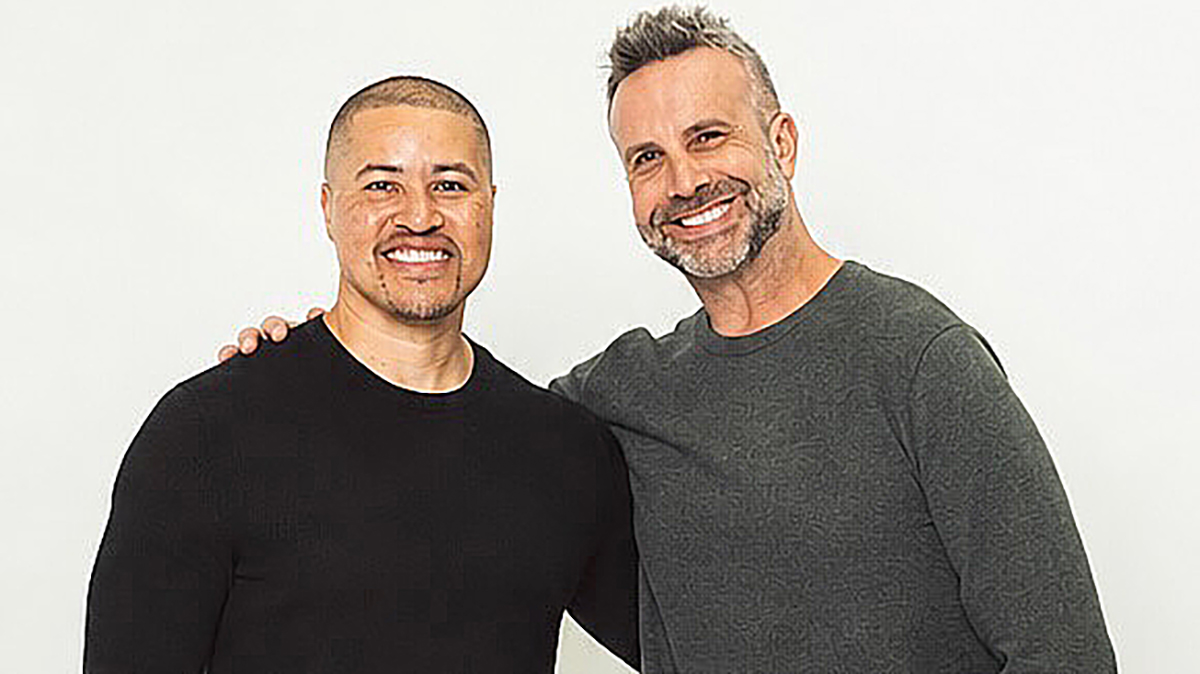
From a $320 million Sonic bet to Roblox movies and an unannounced-title pitch, Dmitri Johnson and Mike Goldberg explain how they built a transmedia empire by betting on passion over sales charts.
Source material: techradar.com
Sonic the Hedgehog proved games could carry a franchise
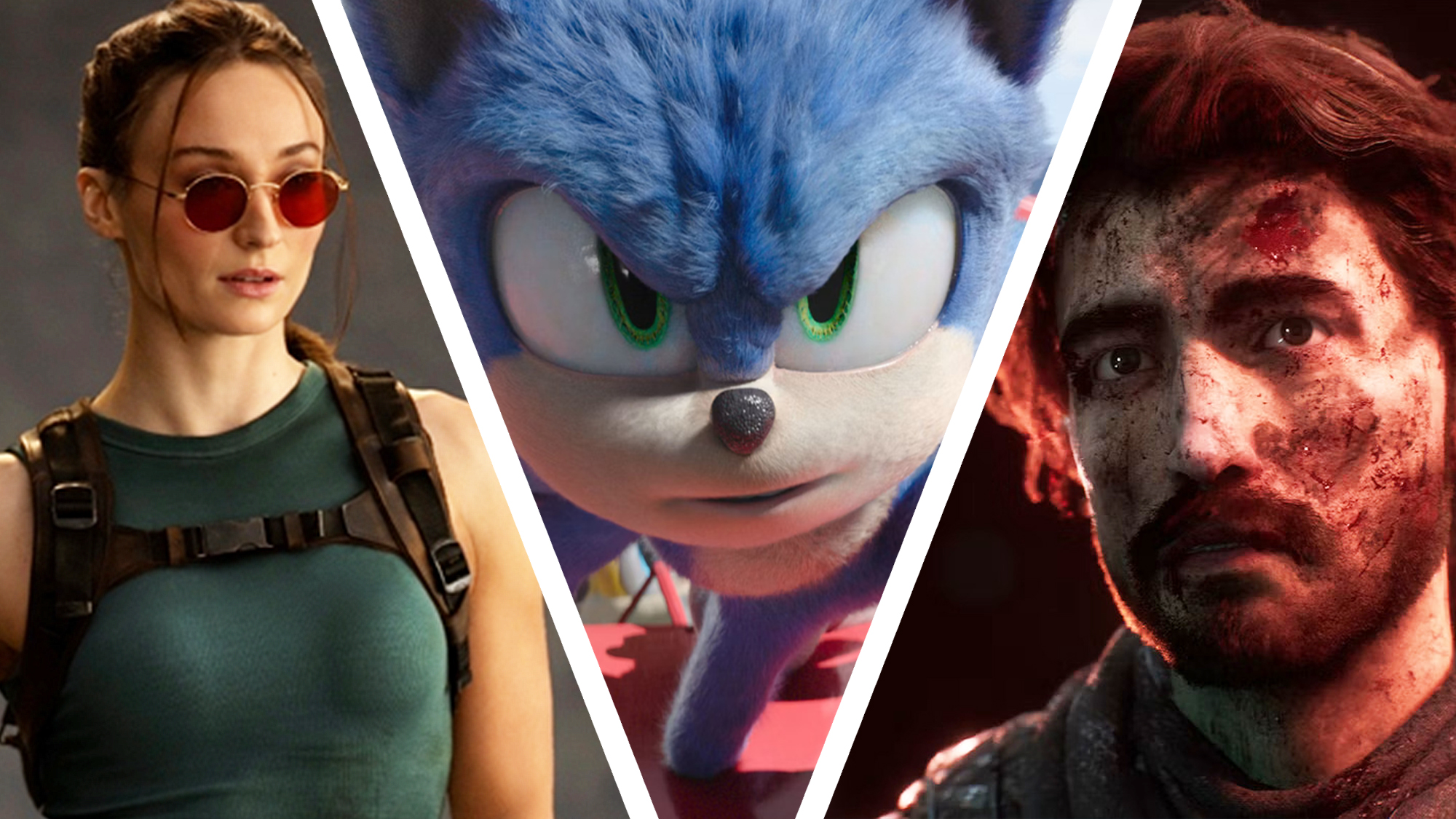
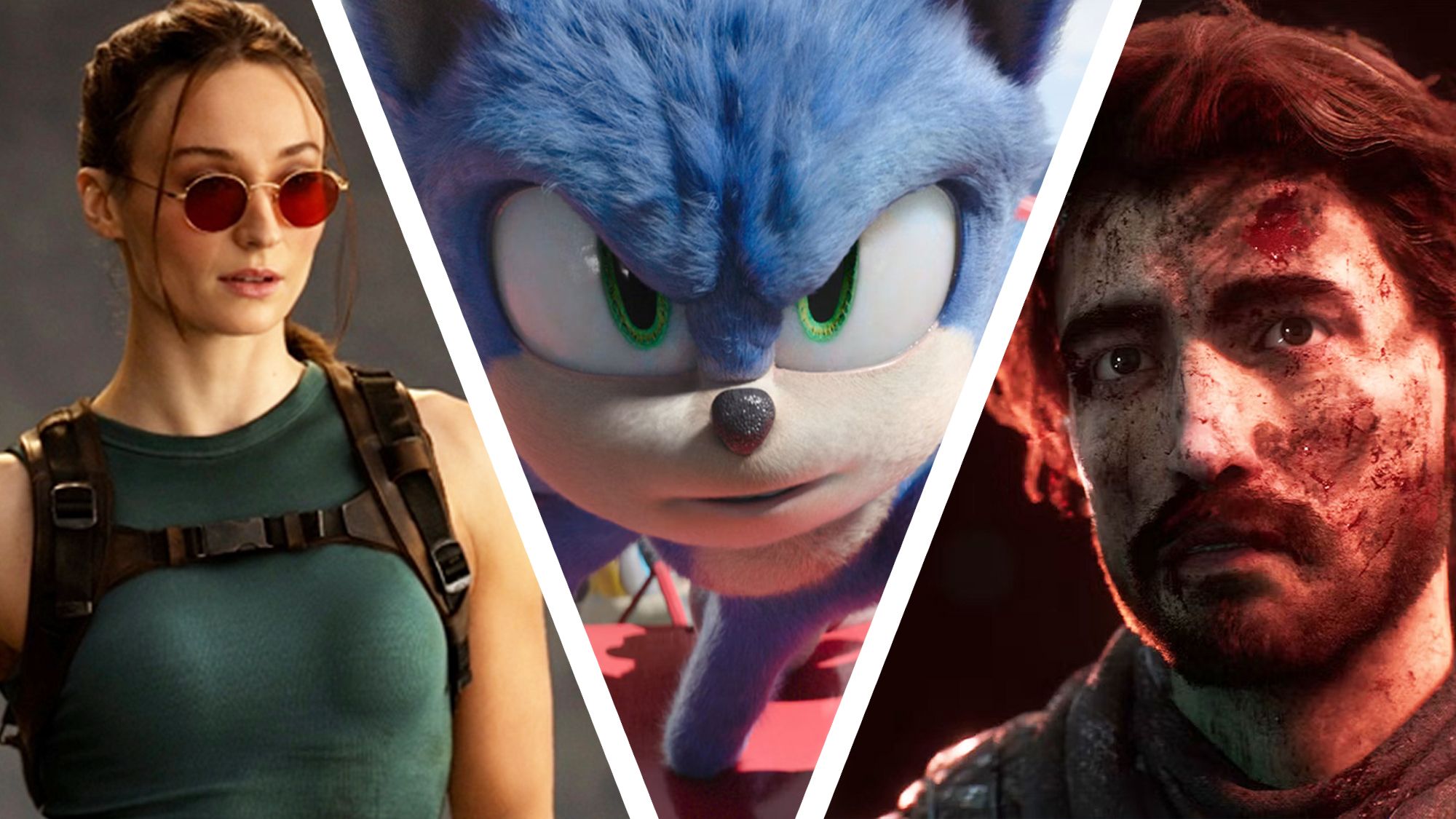
Story Kitchen co-founder Dmitri Johnson spent years slowly and methodically earning the trust and respect of SEGA before the Japanese game titan — and later Paramount Pictures — greenlit a Sonic movie. The path wasn't smooth: when the first trailer dropped, fans attacked the titular character's original design so aggressively that Paramount commissioned a full redesign before release. That willingness to listen to the gaming community paid off. The film earned $320 million worldwide on a reported $90 million budget, even after a pandemic-shortened theatrical window in early 2020 cut its box-office run short. The franchise has since expanded to three movies and a Knuckles spin-off on Paramount+, with Sonic the Hedgehog 4 deep in post-production ahead of its March 19, 2027 release. A Shadow-fronted offshoot project is also reportedly in development. Business partner Mike Goldberg calls the original Sonic 'an absolute game changer in the Hollywood ecosystem' — the proof point that shifted how studios evaluated every subsequent video game pitch.
A Tomb Raider series anchored by Sophie Turner and Phoebe Waller-Bridge
Amazon's live-action Tomb Raider TV show, expected on Prime Video in 2027, pairs Fleabag creator Phoebe Waller-Bridge as showrunner with Sophie Turner as Lara Croft. Principal photography began in January 2026 before a minor injury to Turner temporarily halted production in March. Crucially, Crystal Dynamics — the game developer and custodian of the Tomb Raider franchise — has sign-off authority on every creative decision. Johnson credits a prior partnership on Netflix's Tomb Raider animated series with establishing that trust. "We've actually just started seeing rough cuts, and we were grinning like 10-year-olds the entire time," he says, adding the show should be accessible enough that "your mom can come across it and not know it's based on a 30-year-old video game franchise."
Life is Strange tackles the 50-50 problem of player choice
The 2015 episodic adventure game Life is Strange follows Max, a high schooler who discovers she can rewind time, and is famous for branching dialog that funnels into just two possible endings. Adapting that for Amazon, alongside publisher Square Enix and Margot Robbie's LuckyChap Entertainment, means accepting an inherent compromise — particularly because Deck Nine's 2024 sequel Life is Strange: Reunion continues Max's story, adding another layer of canonical complexity. 'Almost all of the major decisions were almost a 50-50 split,' Johnson acknowledges. 'So, at the start of development, you have to accept that you're not going to make everyone happy.' The production had to decide not only which ending to use, but how to frame it so that regardless of what happens in Reunion, some viewers might still interpret the adaptation's chosen conclusion as the true canonical ending. Still, Johnson promises fans will 'feel seen' and 'probably emotional' with how the adaptation handles key story beats — a deliberate strategy to honor both endings' thematic weight without canonizing either as the single truth.
Clair Obscur: Expedition 33 — betting on a game nobody had played yet
French studio Sandfall Interactive's debut title, Clair Obscur: Expedition 33, became a 2025 phenomenon, selling over eight million copies and winning multiple awards. But Story Kitchen was already working with Sandfall in 2023 — two years before launch — reading roughly 600 pages of scripts, listening to raw music files, and reviewing art concepts. 'We fell in love with it before we saw any real gameplay,' Johnson says. 'Without the massive success it had, it would've been an uphill battle.' That early conviction is central to Story Kitchen's identity: the company prides itself on not chasing established hits. 'As a company, we pride ourselves on not chasing heat,' Johnson explains. 'We're less likely to pursue a game once it's become an established hit, because we don't ever want to be seen as those people.' The Clair Obscur: Expedition 33 deal illustrates the principle — the studio engaged with hundreds of pages of written material and raw audio long before any public gameplay existed, making the case internally on passion rather than sales data. 'We were convinced three years ago that this was something to be excited about.'
Roblox games are getting the theatrical treatment
Story Kitchen is developing film adaptations of three Roblox experiences: Grow a Garden, Steal a Brainrot, and Jailbreak. These titles enter the same pitching pipeline as major console franchises, evaluated by identical criteria — character, story, and originality rather than sales figures. 'We don't go into things like how many copies did this game sell?' Johnson says. 'We actually despise that question and refuse to answer it at this point. We respond with here's why these characters and stories are incredible and here's why it's something we've never seen before.' Johnson and Goldberg aim to cover as many genre bases and demographics as possible, and they view AA and indie titles as central to the pitching process, 'if not more so, than their flashier, big-budget counterparts.' The mechanism that carries Roblox projects from concept to studio meeting is the same one that carries everything else: internal conviction. 'What it really boils down to is passion,' Johnson says. 'What are the things that we can't stop thinking about and have to pursue? Once that process starts, we're convinced something has to be made, and that translates into our meetings with other companies.' He adds that studios 'all want to hear the pitch because it's coming from a place of passion' and that 'this isn't a cash-grab — these conversations are happening because we actually care.'
It Takes Two shows how Hollywood can stall even a Dwayne Johnson project
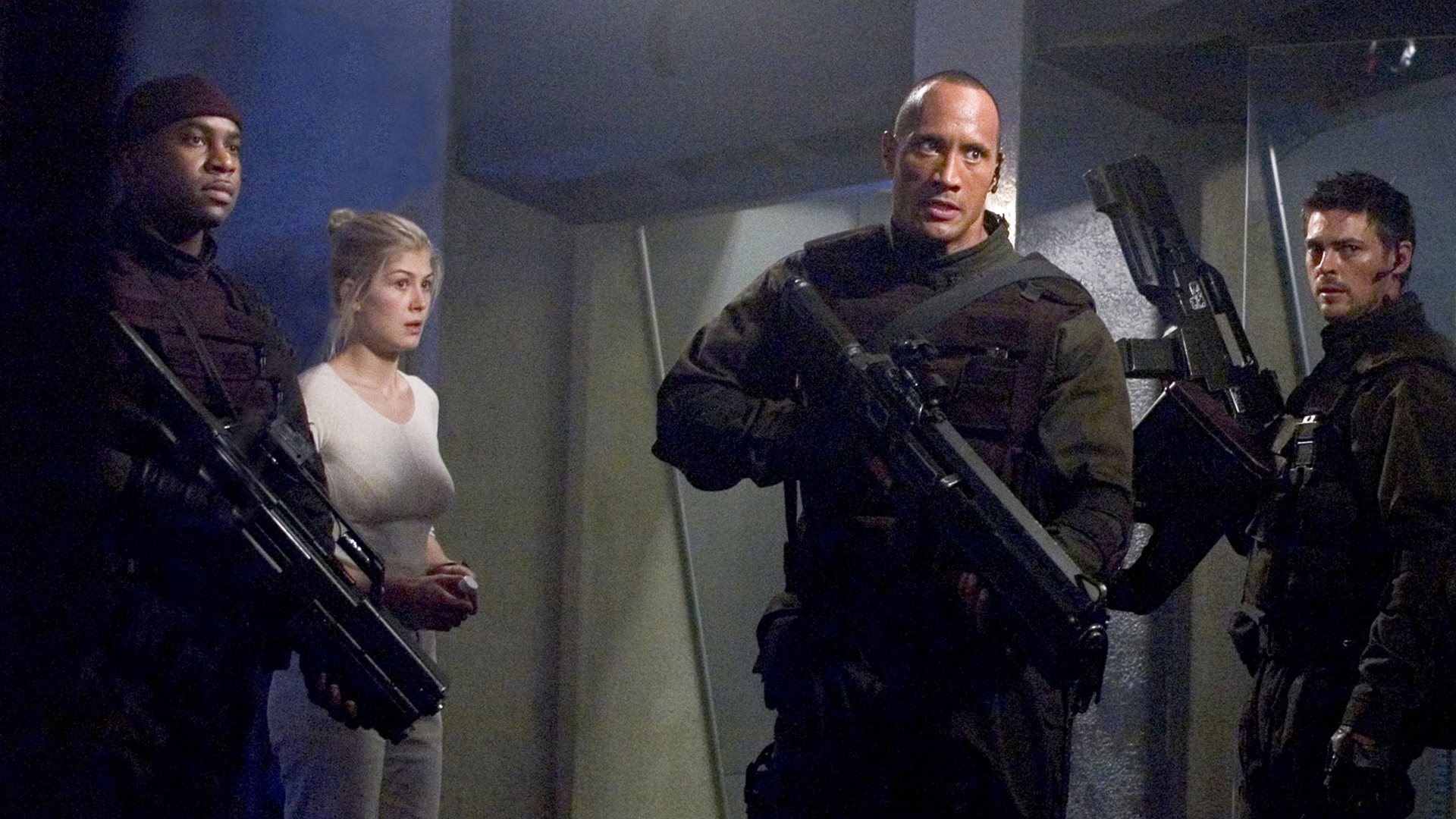
Hazelight's co-op game It Takes Two has had Dwayne Johnson's Seven Bucks Productions attached to its Amazon-backed film adaptation for over four years. Hazelight creative director Josef Fares publicly aired his frustration with the development pace, stating: 'Hollywood, there's so much bulls*t. I think 90 percent of the meetings are actually bulls*t, and 10 percent are what actually happens. There's a lot of talk, but not a lot of walk. I don't know what's going on. Hopefully something. It would be cool to get something out of it, but my hopes are not so high.' Story Kitchen co-founder Dmitri Johnson confirms Fares and Hazelight remain involved, citing a close working relationship. 'We're so close to the Hazelight boys at this point that there's a shorthand with them, and the relationship with them and partners on our side... it's all very fluid,' he says. Four years after Seven Bucks came aboard, cameras have yet to roll.
Non-game IP is part of the playbook too
Story Kitchen's portfolio extends beyond video games. Toys 'R Us — the popular toy retailer of the '80s and '90s that has recently enjoyed a resurgence in the US — is getting a live-action film. Teddy Ruxpin, an animatronic storytelling bear that was a US bestseller in the '80s, will star in a feature Johnson describes as 'Sonic the Hedgehog meets Elf.' A self-confessed Teddy Ruxpin fan, Johnson compares its potential trajectory to 2023's Barbie megahit starring Margot Robbie and Ryan Gosling. 'I went into that thinking ugh, cash grab and then had a little tear in the eye by the third act,' he says. Of the Teddy Ruxpin script, he adds: 'It's funnier than it has any right to be. We have ridiculous musical numbers when we shouldn't, and it's so brilliantly bananas that it works. I think it's going to catch people off-guard, and kids are gonna walk out of it wanting a Teddy Ruxpin.' These projects diversify Story Kitchen's slate while testing whether the same nostalgia-driven audience appetite fueling game adaptations extends to dormant toy brands — built on the same conviction-first approach that drives every pitch Johnson and Goldberg take to market.
Thirty-plus projects in the pipeline — and the Oscar mission
Story Kitchen currently has around 30 film and TV projects in various stages of development — some already attached to homes, others still being shopped. The slate spans franchises like Just Cause, Shinobi, and Ruiner (with Universal), Sifu and Kingmakers (Netflix), Streets of Rage (Lionsgate), and indie titles including Disco Elysium and Dredge. A House of the Dead movie led by Isabela Merced — 'she's our homie,' Johnson beams — rounds out part of the roster. The company's reach extends to first-look deals with Amazon, signed in February 2022, and DreamWorks Animation, signed in May 2024. Beyond volume, Johnson and Goldberg have a loftier target: proving that games can win Oscars, Emmys, and BAFTAs. The pipeline includes projects sourced from tiny studios too. Johnson cites The Drifter, a game from a small Australian team he discovered in 2025, which secured a big theatrical movie deal in its very first studio meeting. 'That wouldn't have been possible five, six years ago,' Johnson says. 'Step one was getting rid of this silly notion that games are cursed. Now, step two — you'll see major awards being won by movies and TV shows that are based on games. That's our next mission: proving that video games are art. The stories being told, the characters they contain... they're no different to a New York Times best-selling book.'